Blog

  • Lakewood, CA: A Practical Guide to Life in This Los Angeles County Community

    Overview

    Lakewood, California is a suburban city in southeastern Los Angeles County, just north of Long Beach and only a short drive from the Orange County line. It may not have the name recognition of Pasadena, Huntington Beach or nearby Long Beach, but Lakewood has long been popular with families looking for established neighborhoods, convenient shopping and a central location in Southern California.

    Much of Lakewood was developed during the postwar housing boom, which helps explain the city’s distinctive character. Tree-lined streets, single-family homes and neighborhood parks are common throughout the community. Unlike some newer Southern California suburbs, Lakewood feels established and residential while still offering easy access to major employment and entertainment areas.

    Housing is expensive compared with most of the county, but Lakewood can offer better value than many coastal communities nearby. For people who want suburban living without being too far from Los Angeles, Orange County or the beach, Lakewood is worth considering.

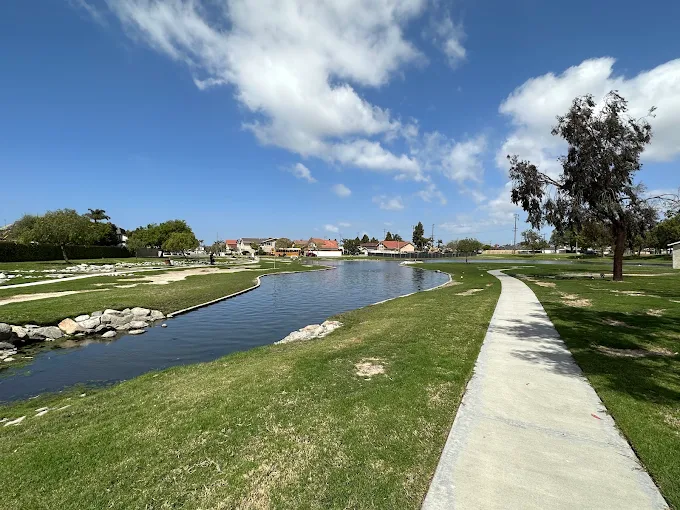
    City of Lakewood

    Quick Facts

    • Population: 78,000 (2025 estimate)
    • Median Household Income: $119,177
    • Median Home Value: $827,200
    • Median Gross Rent: $2,347/month
    • Cost of Living Index: Approximately 170 (U.S. average = 100)
    • Crime Rate: Generally around the national average, though rates vary by year and crime category
    • Education Level: 32.7% bachelor’s degree or higher
    • Walk Score: 58/100 (Somewhat Walkable)

    Lakewood’s population, income, housing, rent and education figures come from the latest U.S. Census Bureau data. The city has a relatively high homeownership rate of 71.4%, which helps reinforce its stable residential character.

    City Rating

    CategoryRating (5★)Notes
    Safety★★★★☆Generally comfortable residential areas with variation by neighborhood
    Schools★★★★☆Several solid public school options in and around the city
    Cost of Living★★☆☆☆Expensive nationally but more reasonable than some nearby coastal cities
    Job Market★★★★☆Convenient access to employment in Long Beach, Los Angeles and Orange County
    Family Friendly★★★★★Parks, recreation programs and established residential neighborhoods
    Commute★★★☆☆Central location but freeway traffic can be frustrating

    5 Pros of Living in Lakewood

    1. A Strong Family-Friendly Atmosphere

    Lakewood has the feel of a traditional Southern California suburb. Many neighborhoods consist primarily of single-family homes with sidewalks, mature trees and relatively quiet residential streets.

    The city’s high homeownership rate also contributes to a sense of stability. Families who plan to stay in one community for many years may find this particularly appealing.

    2. Excellent Central Location

    Location is one of Lakewood’s biggest advantages. Long Beach is immediately to the south while Cerritos, Bellflower, Hawaiian Gardens and several Orange County communities are nearby.

    Residents can reach beaches, Disneyland, downtown Los Angeles and employment centers throughout the region without living in the middle of a major downtown area. Interstate 605, Interstate 405 and State Route 91 are all accessible from the city.

    3. Plenty of Parks and Recreation

    Lakewood has an impressive park system for a city of its size. Mayfair Park, Del Valle Park and several neighborhood parks provide space for sports, walking, picnics and children’s activities.

    The city also operates recreation programs for different age groups. For households with children, having parks and organized activities close to home can be a significant advantage.

    4. Convenient Shopping and Everyday Services

    Lakewood Center is one of the city’s major shopping destinations and the surrounding area includes restaurants, supermarkets and everyday services.

    Residents generally do not have to travel far for groceries, shopping or basic errands. Lakewood has an average Walk Score of 58, meaning some errands can be completed on foot depending on the neighborhood, although owning a car remains useful for most households.

    5. More Attainable Than Some Nearby Coastal Cities

    No one would call Lakewood inexpensive by national standards. However, buyers comparing it with places such as Huntington Beach, parts of Long Beach or other coastal Southern California communities may find Lakewood more attainable.

    The city offers many detached homes in established neighborhoods without the additional price premium that often comes with living directly along the coast.

    City of Lakewood

    5 Cons of Living in Lakewood

    1. Housing Is Still Expensive

    Affordability remains one of Lakewood’s biggest challenges. The Census Bureau reports a median owner-occupied home value of $827,200 for 2020–2024.

    That may look reasonable compared with some coastal California communities, but it is still far beyond housing prices in much of the United States. First-time buyers may need a substantial down payment and strong household income.

    2. Traffic Can Be Frustrating

    Lakewood’s central location is convenient, but Southern California traffic comes with it. The 605, 405 and 91 freeways can become heavily congested during weekday commuting hours.

    Surface streets can also get busy around major shopping areas. A destination that looks close on a map may take considerably longer to reach during rush hour.

    3. Many Homes Are Older

    A large portion of Lakewood was developed during the 1950s. That gives neighborhoods plenty of character, but buyers should remember that older homes may require updates.

    Electrical systems, plumbing, roofs, windows and HVAC equipment are all worth checking carefully when purchasing an older property.

    4. Limited Nightlife

    Lakewood is primarily a residential community rather than an entertainment destination. There are plenty of restaurants and shopping options, but people looking for clubs, major concerts or a lively late-night scene will probably spend more time in Long Beach or Los Angeles.

    For families this may actually be an advantage. Younger residents looking for nightlife may see it differently.

    5. A Car Is Still Helpful

    Although some neighborhoods are walkable, Lakewood is largely designed around the automobile. The city’s average Walk Score of 58 reflects that reality.

    Residents living close to shopping areas may be able to walk for some errands, but commuting, visiting neighboring cities and reaching many entertainment destinations will usually be easier with a car.

    Conclusion

    Lakewood is not flashy, and that is part of what makes it appealing. Instead of relying on major tourist attractions, the city offers established neighborhoods, convenient shopping, neighborhood parks and a central location that works well for everyday life.

    Families may especially appreciate the residential atmosphere, recreation opportunities and high level of homeownership. Professionals can benefit from access to employment centers in Long Beach, Los Angeles and Orange County without having to live in a dense urban neighborhood.

    The biggest drawback is affordability. Housing costs are high by national standards and Southern California traffic can make commuting difficult. Many homes are also several decades old, so buyers should pay close attention to maintenance and renovation needs.

    For people who can comfortably handle the housing costs and prefer a traditional suburban environment, Lakewood offers a practical combination of location, stability and community that can be difficult to find elsewhere in Los Angeles County.

  • Buena Park, CA Living Guide: Is This Orange County City Right for You?


    Overview

    Buena Park is one of Orange County’s most recognizable cities, thanks to world-famous attractions like Knott’s Berry Farm and its convenient location near Los Angeles and Anaheim. While millions of visitors come each year for the entertainment, many people are surprised to discover that Buena Park is also a comfortable place to call home.

    The city offers a diverse population, family-friendly neighborhoods and excellent access to major freeways. Residents enjoy a wide variety of restaurants, shopping centers and recreational opportunities while remaining close to beaches, employment centers and several neighboring cities. Buena Park also benefits from a strong local economy supported by tourism, healthcare, retail and professional services.

    Like many cities in Orange County, Buena Park has experienced rising housing costs over the past decade. Traffic can become heavy near tourist attractions and major freeways, but many residents believe the city’s convenience and quality of life outweigh these challenges.

    If you’re considering relocating to Orange County, Buena Park deserves a closer look.

    Knott’s Berry Farm, Buena Park

    Quick Facts

    • Population: 81,741
    • Median Household Income: $110,550
    • Median Home Value: Approximately $940,000
    • Median Gross Rent: Approximately $2,400/month
    • Cost of Living Index: 168 (U.S. average = 100)
    • Crime Rate: Approximately 2,600 per 100,000 residents (about 28% below the U.S. average)
    • Education Level: 34.5% bachelor’s degree or higher
    • Walk Score: 61/100 (Somewhat Walkable)

    City Rating

    CategoryRating (5★)Notes
    Safety★★★★☆Generally safe with neighborhood differences
    Schools★★★★☆Several well-rated schools and nearby college options
    Cost of Living★★★☆☆Less expensive than many Orange County cities but still above the national average
    Job Market★★★★☆Tourism, healthcare, retail and nearby employment centers
    Family Friendly★★★★★Parks, attractions and community events throughout the year
    Commute★★★★☆Excellent freeway access though traffic can be heavy

    5 Pros of Living in Buena Park

    1. Excellent Location

    Buena Park sits in a prime location within Orange County. Residents have quick access to Interstate 5 and State Route 91, making it easy to reach Los Angeles, Anaheim, Long Beach and many other Southern California destinations.

    2. Plenty of Entertainment

    Few cities offer as many entertainment options. Knott’s Berry Farm, Knott’s Soak City and Medieval Times bring excitement year-round. Residents can enjoy these attractions without traveling far from home.

    3. Diverse Dining and Shopping

    The city offers everything from local family-owned restaurants to national retailers. Korean, Mexican, Japanese, Vietnamese and American cuisine are all well represented, giving residents an impressive variety of dining choices.

    4. Strong Local Economy

    Tourism plays an important role in Buena Park’s economy, but healthcare, retail, education and professional services also provide stable employment. Many residents commute to nearby Anaheim, Fullerton, Irvine or Los Angeles for additional career opportunities.

    5. Family-Friendly Community

    Buena Park offers numerous parks, sports facilities, community programs and seasonal events. Families appreciate the city’s recreational opportunities and active community atmosphere.

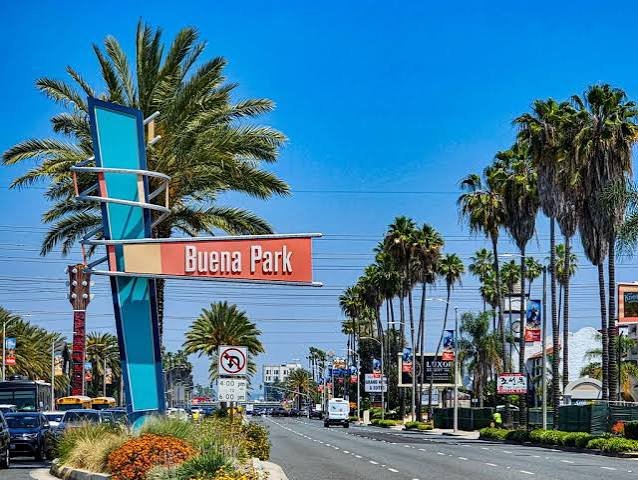
    City of Buena Park

    5 Cons of Living in Buena Park

    1. Expensive Housing

    Although generally more affordable than Irvine or Newport Beach, Buena Park’s housing market remains expensive compared with most of the United States. Homeownership may be challenging for first-time buyers.

    2. Traffic Congestion

    Traffic around Interstate 5, Beach Boulevard and entertainment districts can become heavy, particularly on weekends and during tourist season.

    3. Tourist Crowds

    Living near major attractions means residents occasionally deal with increased traffic, crowded restaurants and busy shopping areas during holidays and summer months.

    4. High Cost of Living

    Housing, insurance, utilities and everyday expenses remain significantly above the national average. Prospective residents should carefully evaluate their budget before relocating.

    5. Limited Beach Access

    Despite being located in Orange County, Buena Park is an inland city. Residents typically drive 20 to 30 minutes to reach Huntington Beach or other coastal destinations.


    Conclusion

    Buena Park combines convenience, entertainment and family-friendly living in one of Orange County’s most accessible locations. It’s central position, diverse community, strong local economy and abundance of recreational opportunities continue to attract families, professionals and retirees.

    While housing costs and traffic remain important considerations, Buena Park offers an excellent balance of suburban comfort and urban convenience. For anyone looking to enjoy the benefits of Orange County without paying the premium prices found in some coastal communities, Buena Park is certainly worth considering.

  • Should You Move to Norwalk, CA? Pros, Cons and What to Expect


    Overview

    Located in southeastern Los Angeles County, Norwalk is a well-established suburban city that offers residents a convenient location, diverse neighborhoods and a strong sense of community. While it may not receive the same attention as nearby Long Beach, Pasadena or Huntington Beach, Norwalk has become an attractive option for families, commuters and first-time homebuyers looking for a balance between affordability and accessibility.

    With easy access to Interstate 5, Interstate 605 and State Route 91, Norwalk provides convenient transportation throughout Southern California. The city is also served by Metrolink and the Metro C Line, making it an appealing choice for people who work in Los Angeles, Orange County or surrounding communities.

    Norwalk is known for its community parks, family-oriented neighborhoods and multicultural population. Residents enjoy a variety of restaurants, shopping centers and local events throughout the year. Although housing prices remain high compared with much of the country, Norwalk is generally more affordable than many neighboring cities in Los Angeles County.

    If you’re thinking about moving to Norwalk, here’s a closer look at what the city has to offer.

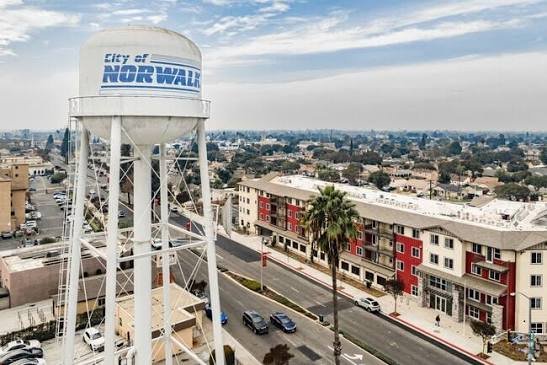
    City of Norwalk

    Quick Facts

    • Population: 98,100
    • Median Household Income: $98,900
    • Median Home Value: $760,000
    • Median Gross Rent: $2,050/month
    • Cost of Living Index: 171 (U.S. average = 100)
    • Crime Rate: Approximately 2,980 per 100,000 residents (about 18% below the U.S. average)
    • Education Level: 24.8% bachelor’s degree or higher
    • Walk Score: 63/100 (Somewhat Walkable)

    These figures show that Norwalk offers a relatively affordable housing market by Southern California standards while providing convenient transportation and a family-friendly suburban environment.


    City Rating

    CategoryRating (5★)Notes
    Safety★★★★☆Safer than many nearby communities with neighborhood variation
    Schools★★★☆☆Several good schools with additional options nearby
    Cost of Living★★★☆☆Lower than many LA County cities but still above the national average
    Job Market★★★★☆Convenient access to employment throughout Los Angeles and Orange County
    Family Friendly★★★★☆Parks, recreation programs and community events make it attractive for families
    Commute★★★★☆Excellent freeway and rail access for commuters

    5 Pros of Living in Norwalk

    1. Excellent Central Location

    One of Norwalk’s biggest advantages is its location. Residents can reach Downtown Los Angeles, Long Beach, Anaheim and many Orange County destinations within a reasonable drive. Several major freeways and public transportation options make commuting easier than in many surrounding communities.

    2. More Affordable Housing Than Nearby Cities

    Although home prices remain high compared with the national average, Norwalk generally offers more affordable housing than nearby cities such as Cerritos, Lakewood and Cypress. Buyers often find better value while remaining close to major employment centers.

    3. Strong Community Atmosphere

    Norwalk has developed a reputation as a family-oriented city where neighbors stay involved in local events. Seasonal festivals, youth sports programs, community centers and public libraries help create a welcoming environment for residents of all ages.

    4. Convenient Shopping and Dining

    Residents have easy access to grocery stores, shopping centers and restaurants representing many different cultures. Nearby destinations such as Cerritos Towne Center, Stonewood Center and local business districts provide excellent shopping and dining opportunities.

    5. Good Transportation Options

    Norwalk is one of the few suburban cities in Los Angeles County with multiple transportation choices. In addition to several freeways, residents benefit from Metrolink service, Metro rail connections and regional bus routes that improve mobility throughout Southern California.

    City of Norwalk


    5 Cons of Living in Norwalk

    1. Heavy Traffic During Rush Hour

    Like much of Los Angeles County, Norwalk experiences significant traffic congestion during weekday commuting hours. Interstate 5 and Interstate 605 can become particularly busy.

    2. Limited Nightlife

    Norwalk offers family-friendly restaurants and local entertainment but residents seeking an active nightlife usually visit Long Beach, Downtown Los Angeles or nearby Orange County cities.

    3. Older Housing Stock

    Many homes were built during the 1950s and 1960s. While many neighborhoods are well maintained, buyers may encounter older properties that require remodeling or updates.

    4. Higher Cost of Living

    Everyday expenses including housing, utilities and insurance remain considerably higher than the national average despite being somewhat lower than many nearby Southern California cities.

    5. School Quality Varies

    While several schools perform well, school quality can vary depending on the neighborhood. Families with children should carefully review attendance boundaries and individual school ratings before purchasing a home.


    Conclusion

    Norwalk offers an appealing combination of affordability, convenience and community. Its central location, strong transportation network and family-friendly atmosphere make it an attractive option for buyers who want to remain close to Los Angeles without paying the premium prices found in many nearby cities.

    Although traffic, housing costs and varying school performance should be considered, Norwalk continues to provide solid value for families, professionals and retirees seeking a well-connected Southern California community. For those looking for a practical place to live with easy access to both Los Angeles and Orange County, Norwalk deserves serious consideration.

  • Thinking About Moving to Huntington Beach, CA? Here’s What You Should Know


    Overview

    Huntington Beach, California, often called “Surf City USA,” is one of Southern California’s most recognizable beach communities. Located along the Pacific Coast in Orange County, the city is famous for its wide sandy beaches, world-class surfing, year-round sunshine, and relaxed coastal lifestyle.

    Home to approximately 200,000 residents, Huntington Beach attracts families, professionals, retirees, and outdoor enthusiasts who enjoy living close to the ocean. The city offers excellent parks, highly rated schools, a strong local economy, and countless recreational opportunities. Residents enjoy surfing, cycling, beach volleyball, boating, and community events throughout the year.

    Like many desirable coastal cities in California, Huntington Beach also comes with high housing prices and a cost of living well above the national average. Traffic can become heavy during tourist season, and beach neighborhoods often experience limited parking. Even so, many residents believe the city’s outstanding quality of life makes these trade-offs worthwhile.

    Beachside in Huntington Beach

    Quick Facts (2026)

    • Population: 198,900
    • Median Household Income: $123,500
    • Median Home Value: $1,190,000
    • Median Gross Rent: $2,750/month
    • Cost of Living Index: 196 (U.S. average = 100)
    • Crime Rate: Approximately 2,370 per 100,000 residents (about 13% below the U.S. average)
    • Education Level: 48% bachelor’s degree or higher
    • Walk Score: 56/100 (Somewhat Walkable)

    These numbers reflect Huntington Beach’s reputation as an affluent coastal city with strong household incomes, excellent public safety, and a high quality of life, balanced by expensive housing and living costs.


    City Rating

    CategoryRating (5★)Notes
    Safety★★★★☆Safe neighborhoods with below-average crime overall
    Schools★★★★☆Highly rated public schools and excellent educational opportunities
    Cost of Living★★☆☆☆Housing and everyday expenses are significantly above average
    Job Market★★★★☆Strong economy with nearby employment throughout Orange County
    Family Friendly★★★★★Outstanding parks, beaches, recreation, and community programs
    Commute★★★☆☆Traffic can be heavy during rush hour and summer weekends

    5 Pros of Living in Huntington Beach

    1. Beautiful Beaches and Outdoor Lifestyle

    Huntington Beach offers more than eight miles of coastline, making it one of Southern California’s premier beach destinations. Residents enjoy surfing, swimming, cycling, jogging, fishing and beach volleyball throughout the year thanks to the city’s mild Mediterranean climate.

    2. Excellent Public Safety

    Compared with many cities of similar size, Huntington Beach maintains relatively low crime rates. Many neighborhoods are clean, well maintained and attractive to families seeking a safe place to live.

    3. Strong Schools

    The Huntington Beach Union High School District is highly regarded and several elementary and middle schools consistently receive excellent ratings. Families have access to quality public education along with nearby colleges and universities.

    4. Strong Local Economy

    Employment opportunities are available in healthcare, technology, aerospace, retail, tourism and professional services. Many residents also commute to nearby Irvine, Costa Mesa, Newport Beach and Anaheim.

    5. Outstanding Recreation

    In addition to the beach, residents enjoy Huntington Central Park, Bolsa Chica Ecological Reserve, numerous golf courses, sports facilities, and one of California’s most active community event calendars.

    A park view in Huntington Beach

    5 Cons of Living in Huntington Beach

    1. Expensive Housing

    Buying a home requires a substantial budget, with median home prices exceeding one million dollars. First-time buyers may find entering the market challenging.

    2. High Cost of Living

    Groceries, utilities, insurance, and dining all cost more than the national average, making budgeting important for new residents.

    3. Traffic Congestion

    Pacific Coast Highway and major Orange County freeways become congested during commuting hours, holidays, and tourist season.

    4. Parking Challenges Near the Beach

    Finding parking near the pier and popular beaches can be difficult, especially on weekends and during major surfing events.

    5. Busy Tourist Destination

    While tourism supports the local economy, large crowds are common during the summer months, holidays, and major festivals.


    Conclusion

    Huntington Beach remains one of Southern California’s most desirable coastal communities. It’s beautiful beaches, outstanding outdoor recreation, excellent schools, and strong local economy make it especially attractive for families and professionals seeking an active coastal lifestyle.

    Although the city has expensive housing, a high cost of living, and seasonal traffic, many residents feel these challenges are outweighed by the exceptional quality of life. If you’re looking for a vibrant beach community with year-round sunshine and endless recreational opportunities, Huntington Beach deserves a place at the top of your list.

  • What It’s Really Like to Live in Long Beach, California


    Overview

    Long Beach, California, is one of Southern California’s most dynamic coastal cities. Located between Los Angeles and Orange County, Long Beach offers residents an appealing combination of urban living, beautiful beaches, a thriving waterfront, and a diverse cultural scene. It provides the amenities of a major metropolitan area while maintaining distinct neighborhoods that each have their own character.

    Long Beach has become increasingly popular among young professionals, families, students, and retirees. The city is home to California State University, Long Beach, one of the busiest ports in the world, and a growing technology and healthcare sector. Residents enjoy year-round mild weather, excellent dining, outdoor recreation, and convenient transportation throughout the Los Angeles region.

    However, like many coastal California cities, Long Beach also faces challenges. Housing costs remain high, traffic congestion is common, and crime rates vary significantly by neighborhood. Understanding both the advantages and disadvantages can help determine whether Long Beach is the right place to call home.

    Civic Center of Long Beach

    Quick Facts

    • Population: 451,300
    • Median Household Income: $89,200
    • Median Home Value: $890,000
    • Median Gross Rent: $2,260/month
    • Cost of Living Index: 183 (U.S. average = 100)
    • Crime Rate: Approximately 3,920 per 100,000 residents (about 8% above the U.S. average)
    • Education Level: 41.7% bachelor’s degree or higher
    • Walk Score: 73/100 (Very Walkable)

    These figures highlight Long Beach as a large, diverse coastal city with a strong economy, walkable neighborhoods, and an attractive waterfront, while also reflecting the higher cost of living typical of Southern California.


    5 Pros of Living in Long Beach

    1. Beautiful Coastal Lifestyle

    Living near the Pacific Ocean is one of Long Beach’s greatest attractions. Residents enjoy waterfront parks, marinas, bike paths, sailing, paddleboarding, and year-round outdoor activities. The city’s coastal setting creates a relaxed atmosphere that appeals to people of all ages.

    2. Diverse Economy and Job Opportunities

    Long Beach has one of Southern California’s strongest local economies. The Port of Long Beach is among the busiest container ports in the world and supports thousands of jobs. Additional employment opportunities exist in healthcare, education, aerospace, logistics, tourism, and technology.

    3. Excellent Dining and Entertainment

    The city offers an impressive variety of restaurants representing cuisines from around the world. Popular destinations include Shoreline Village, Belmont Shore, Retro Row, and Downtown Long Beach. Residents also enjoy concerts, festivals, museums, aquariums, and numerous cultural events throughout the year.

    4. Walkable Neighborhoods

    Unlike many Southern California communities that require a car for nearly every trip, several Long Beach neighborhoods are highly walkable. Belmont Shore, Downtown, and Alamitos Beach allow residents to reach restaurants, coffee shops, parks, and grocery stores on foot.

    5. Convenient Transportation

    Long Beach offers excellent transportation options, including Metro rail service to Los Angeles, Long Beach Transit buses, bike lanes, and easy access to Interstate 405 and Interstate 710. Long Beach Airport is also widely appreciated for its convenience and shorter security lines compared with larger airports.

    Queen Mary in Long Beach port

    5 Cons of Living in Long Beach

    1. High Housing Costs

    Although generally more affordable than Santa Monica or many parts of Los Angeles’ Westside, Long Beach remains expensive by national standards. Buying a home often requires a significant financial commitment.

    2. Traffic Congestion

    Daily traffic can be heavy, particularly on Interstate 405, Interstate 710, and Pacific Coast Highway. Commuters should expect delays during peak travel hours.

    3. Crime Varies by Neighborhood

    While many residential neighborhoods are safe and well maintained, crime rates differ considerably throughout the city. Prospective residents should research individual neighborhoods before choosing a home.

    4. Parking Can Be Difficult

    Finding parking in Downtown Long Beach, Belmont Shore, and waterfront areas can be frustrating, especially on weekends and during special events.

    5. Higher Cost of Living

    Housing, utilities, dining, and transportation all cost more than the national average. Residents should plan their budgets carefully before relocating.


    Conclusion

    Long Beach offers one of the most attractive coastal lifestyles in Southern California. Its beautiful waterfront, diverse neighborhoods, growing economy, excellent restaurants, and year-round outdoor recreation continue to attract new residents from across the country.

    While housing costs, traffic, and neighborhood-specific crime remain important considerations, many residents believe the city’s unique combination of urban convenience and coastal living makes it well worth the investment. For those seeking an energetic beach city with excellent amenities and strong career opportunities, Long Beach remains one of Southern California’s most appealing places to live.