Overview
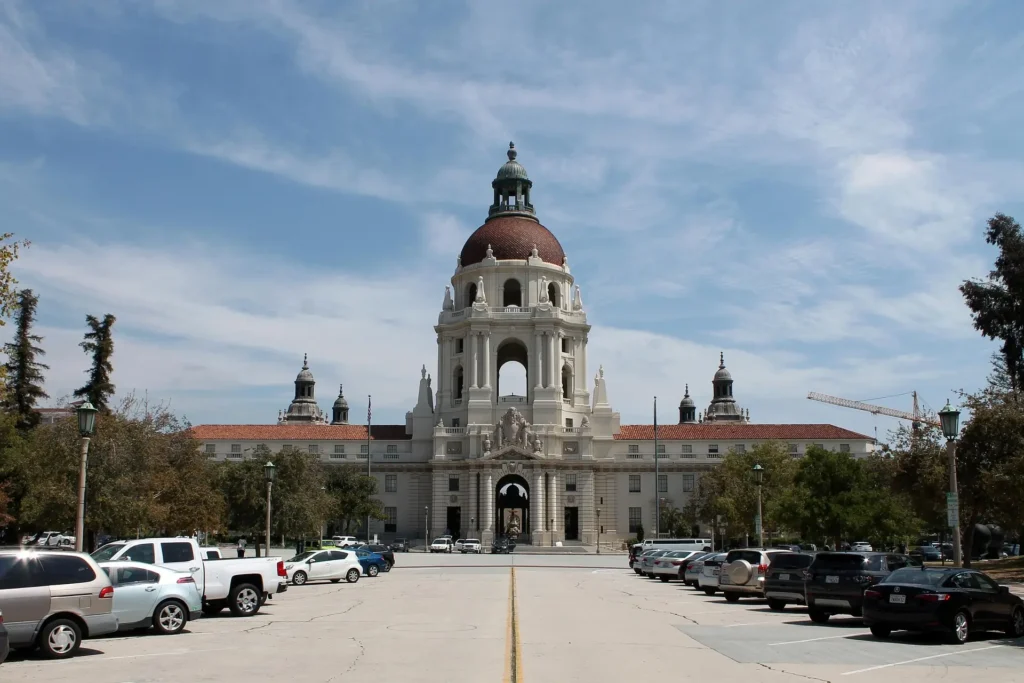
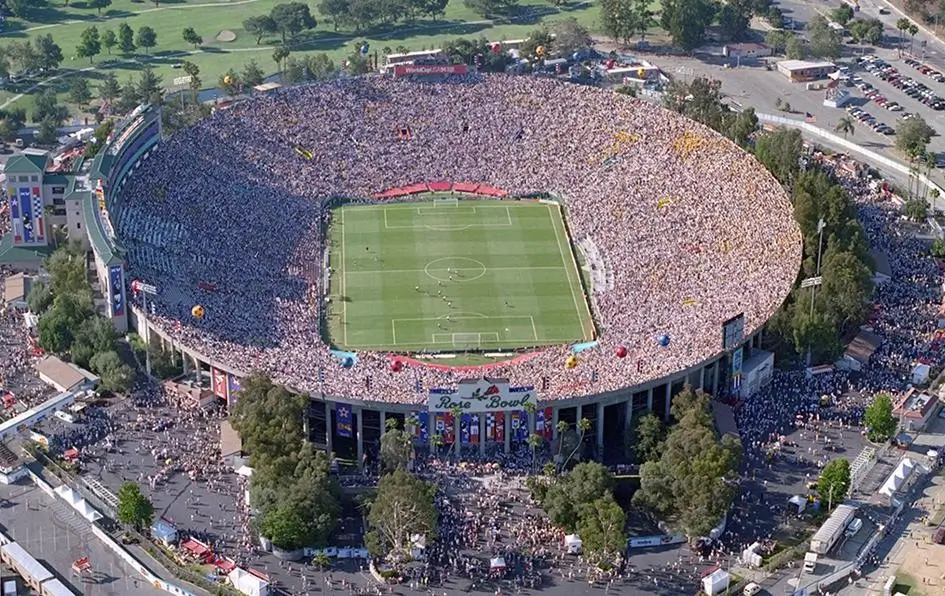
Pasadena, California is one of the most distinctive cities in Los Angeles County. Located northeast of downtown Los Angeles at the base of the San Gabriel Mountains, Pasadena is known for its historic neighborhoods, cultural attractions, respected universities, beautiful architecture, and the world-famous Rose Parade and Rose Bowl.
The city offers a rare combination of urban convenience and established residential neighborhoods. Families can enjoy parks, museums, restaurants, public transportation, and access to major employment centers throughout the Los Angeles area. However, Pasadena also has expensive housing, noticeable traffic, uneven school options, and a cost of living well above the national average.
This guide explores whether Pasadena is a good place to live in 2026, using recent information on population, housing, income, education, transportation, and lifestyle.
Quick Facts
- Population: 135,804
- Median Household Income: $105,192
- Median Home Value: $1,093,300
- Median Gross Rent: $2,265/month
- Cost of Living Index: 197.7 (U.S. average = 100)
- Crime Rate: 4,099 per 100,000 residents (about 3% below the U.S. average)
- Education Level: 56.1% bachelor’s degree or higher
- Walk Score: 69/100 (Somewhat Walkable)
.
5 Pros of Living in Pasadena
1. Beautiful Historic Neighborhoods
Pasadena is widely known for its attractive residential neighborhoods and historic architecture. Many streets feature mature trees, Craftsman homes, Spanish-style houses, and properties dating back to the early twentieth century.
Neighborhoods such as Bungalow Heaven, Madison Heights, San Rafael Hills, and areas near Caltech offer distinctive character that is difficult to find in newer suburban communities. Pasadena feels more established and architecturally diverse than many master-planned Southern California cities.
The city’s historic character is one of its strongest advantages for residents who value attractive streets, older homes, and a sense of local identity.
2. Excellent Cultural and Educational Institutions
Pasadena has an unusually strong collection of educational and cultural institutions for a city of its size. It is home to the California Institute of Technology, commonly known as Caltech, as well as Pasadena City College and several respected private schools.
These institutions provide residents with access to art, science, education, theater, and family activities throughout the year.
Pasadena City College also serves more than 30,000 students each semester, providing local access to affordable higher education and workforce training.
3. Convenient Location and Public Transportation
Pasadena provides relatively convenient access to downtown Los Angeles, Glendale, Burbank, the San Gabriel Valley, and other parts of Los Angeles County.
The city is served by the Metro A Line, which connects Pasadena with downtown Los Angeles and communities farther east. Residents also have access to major roadways such as I-210 and I-110.
This transportation network makes Pasadena attractive to professionals who work in different parts of the Los Angeles region.
Pasadena is still a car-oriented city, but residents living near Old Pasadena, South Lake Avenue, or a Metro station may be able to complete some daily activities without driving.
4. Strong Dining, Shopping, and Entertainment Options
Pasadena offers far more dining and entertainment than many suburban communities.
Old Pasadena is one of the city’s most popular districts, with restaurants, cafés, shops, movie theaters, and historic buildings. South Lake Avenue provides additional shopping and dining, while Colorado Boulevard serves as a major commercial corridor.
The Rose Parade has been held since 1890 and remains one of Pasadena’s most recognizable traditions.
5. Parks, Mountains, and Outdoor Recreation
Pasadena offers easy access to parks, hiking trails, and the San Gabriel Mountains and many outdoor destinations.
Residents can hike, walk, cycle, play sports, or enjoy mountain scenery without traveling far from home.
The Rose Bowl Loop is particularly popular for walking, running, and cycling. Families can also visit Brookside Park and Kidspace Children’s Museum in the same area.
5 Cons of Living in Pasadena
1. Very High Housing Costs
Housing is one of the biggest disadvantages of living in Pasadena.
The Census Bureau reports a median value of approximately $1.09 million for owner-occupied homes. Many detached houses in desirable neighborhoods sell for considerably more, especially restored historic homes or properties near Caltech, South Lake Avenue, or the San Rafael Hills.
First-time buyers may find it difficult to purchase a home without a high household income or a substantial down payment. Condominiums can provide a lower-cost option, but prices and homeowners association fees may still be significant.
2. Expensive Rent and General Living Costs
The Census Bureau reports median gross rent of $2,265 per month, but newer apartments and larger units may cost considerably more.
Pasadena can provide a high quality of life, but families need a realistic budget before moving.
3. Public School Quality Varies
Pasadena has many strong educational resources, but public school quality can vary by campus and neighborhood. Families should not assume that every address is assigned to the same type of school.
Families with school-age children should verify attendance boundaries and review individual schools before choosing a home. School assignments and program availability can change, so current information should be confirmed directly with the district.
Pasadena has many highly educated residents, with 56.1% of adults age 25 or older holding a bachelor’s degree or higher. However, the city’s education landscape is more complex than that of communities served by a single consistently high-rated suburban district.
4. Traffic and Parking Can Be Frustrating
Pasadena has good regional access, but traffic congestion remains a common problem.
The 210 Freeway becomes heavily congested during commuting hours. Colorado Boulevard, Lake Avenue, and major streets near Old Pasadena can also become crowded.
Although the Census Bureau reports an average commute of 26.9 minutes, actual travel time can vary greatly depending on destination and traffic conditions.
5. Crime Levels Vary by Neighborhood
Pasadena should not be described as uniformly unsafe or uniformly crime-free. Conditions vary depending on the neighborhood and the type of offense being considered.
Property crime, vehicle break-ins, package theft, and theft from automobiles can be concerns in busy commercial areas and some residential neighborhoods. Families should review recent crime reports for the specific area where they are considering living.
The Pasadena Police Department publishes monthly offense and arrest reports using the California Incident-Based Reporting System. Because this reporting system records different categories and details than older crime-reporting methods, simple comparisons with older citywide crime numbers can be misleading.
Prospective residents should examine current police data, visit neighborhoods at different times of day, and speak with local residents before making a housing decision.
Who Should Consider Living in Pasadena?
Pasadena may be a good choice for:
- Professionals working in Pasadena, downtown Los Angeles, Glendale, or Burbank
- Families who value culture, parks, and established neighborhoods
- University employees, researchers, and students
- Buyers who appreciate historic architecture
- Residents who want restaurants and entertainment nearby
- People who want access to both the city and the mountains
Pasadena is especially attractive to households that want more character and cultural activity than a typical suburb can provide.
People prioritizing newer homes, lower prices, or a quieter suburban environment may prefer communities farther east or outside Los Angeles County.
Conclusion: Is Pasadena a Good Place to Live?
Pasadena is one of Southern California’s most interesting and desirable cities. It offers historic neighborhoods, impressive cultural institutions, beautiful architecture, mountain access, diverse dining, major events, and a convenient location near Los Angeles.
The city works particularly well for professionals, educated households, families who enjoy cultural activities, and residents who value neighborhood character. Pasadena’s combination of history, science, art, and outdoor recreation gives it an identity that few Southern California cities can match.
However, Pasadena is not affordable for many households. Home prices commonly exceed $1 million, rent is expensive, traffic can be difficult, and public school quality varies by location.
For households that can comfortably manage the housing costs and carefully select the right neighborhood, Pasadena can provide an excellent quality of life. For buyers and renters whose first priority is affordability, the city may be financially challenging.
Leave a Reply