Author: Ed.K

  • Thinking about moving to Torrance, CA? Here’s what you need to know

    Overview

    Torrance, California, is one of the most desirable coastal cities in the South Bay region of Los Angeles County. Located about 20 miles southwest of downtown Los Angeles, Torrance is known for its safe neighborhoods, highly rated schools, beautiful parks, and strong local economy. Unlike many other Southern California cities, Torrance offers a balanced lifestyle that combines suburban comfort with convenient access to beaches, major employment centers, and shopping destinations.

    The city is home to a diverse population and attracts families, professionals, and retirees looking for a clean and well-maintained community. Torrance also benefits from a stable economy supported by healthcare, manufacturing, aerospace, retail, and technology industries. However, like much of coastal Southern California, residents must be prepared for high housing prices and an overall cost of living well above the national average.

    If you’re considering moving to Torrance in 2026, this guide highlights the city’s biggest advantages and disadvantages to help you determine whether it fits your lifestyle and budget.


    Quick Facts

    • Population: 139,600
    • Median Household Income: $118,900
    • Median Home Value: $1,040,000
    • Median Gross Rent: $2,480/month
    • Cost of Living Index: 193 (U.S. average = 100)
    • Crime Rate: Approximately 2,160 per 100,000 residents (about 40% below the U.S. average)
    • Education Level: 49.5% bachelor’s degree or higher
    • Walk Score: 56/100 (Somewhat Walkable)

    These numbers show that Torrance is an affluent, well-educated, and relatively safe city with a strong economy, although housing costs remain among the highest in the country.


    5 Pros of Living in Torrance

    1. Safe and Family-Friendly Community

    Torrance consistently ranks as one of the safer cities in Los Angeles County. Many neighborhoods have low crime rates, well-maintained streets, and active community programs. Families appreciate the city’s excellent public services, clean environment, and strong sense of neighborhood pride.

    2. Outstanding Schools

    The Torrance Unified School District is widely respected for its academic performance and college preparation programs. Several public schools consistently receive high ratings, making the city especially attractive to families with children. Nearby colleges and universities also provide excellent higher education opportunities.

    3. Strong Local Economy

    Torrance has a diverse economy supported by healthcare, aerospace, engineering, retail, and manufacturing. Major employers include Torrance Memorial Medical Center, Harbor-UCLA Medical Center, Honda’s U.S. headquarters operations, and numerous technology and industrial companies. Many residents also commute to nearby El Segundo, Long Beach, or downtown Los Angeles.

    4. Beautiful Beaches and Outdoor Recreation

    One of Torrance’s greatest advantages is its proximity to the Pacific Ocean. Torrance Beach offers a quieter alternative to many of Southern California’s busier beaches. Residents also enjoy Madrona Marsh Preserve, Wilson Park, Columbia Park, and numerous walking and biking trails throughout the city.

    5. Excellent Shopping and Dining

    Torrance is home to Del Amo Fashion Center, one of the largest shopping malls in the United States. Residents enjoy hundreds of retail stores, restaurants, movie theaters, and entertainment options. The city’s diverse population also contributes to an outstanding selection of Japanese, Korean, Mexican, Italian, and American restaurants.
    City of Torrance

    5 Cons of Living in Torrance

    1. Expensive Housing

    Buying a home in Torrance requires a substantial financial commitment. Home prices regularly exceed one million dollars in many neighborhoods, making affordability a challenge for first-time buyers and middle-income households.

    2. High Rent Prices

    Renting is also expensive. Apartments in desirable neighborhoods often cost significantly more than the national average, requiring a higher monthly housing budget.

    3. Heavy Traffic

    Like most cities in Los Angeles County, Torrance experiences considerable traffic congestion during rush hour. Major roads such as Pacific Coast Highway, Hawthorne Boulevard, and Interstate 405 can become heavily congested, increasing commute times.

    4. High Cost of Living

    Housing, groceries, healthcare, transportation, and dining all cost more than the national average. Residents should expect everyday expenses to be considerably higher than in many other parts of the country.

    5. Limited Nightlife

    While Torrance offers excellent restaurants and family-friendly entertainment, it is not known for a vibrant nightlife. Residents seeking major concerts, clubs, or late-night entertainment typically travel to Hermosa Beach, Redondo Beach, Santa Monica, or downtown Los Angeles.


    Conclusion

    Torrance remains one of the best places to live in Los Angeles County for families, professionals, and retirees seeking a safe, clean, and well-managed community. Excellent schools, beautiful parks, nearby beaches, and a strong local economy continue to attract residents from across California.

    However, the city’s high housing costs and elevated cost of living mean it is best suited for households with stable incomes. If your budget allows, Torrance offers an outstanding quality of life, convenient access to Southern California’s major attractions, and one of the most desirable suburban environments in the region.

  • Living in Glendale, CA: Is It the Right Place to Call Home?

    Overview

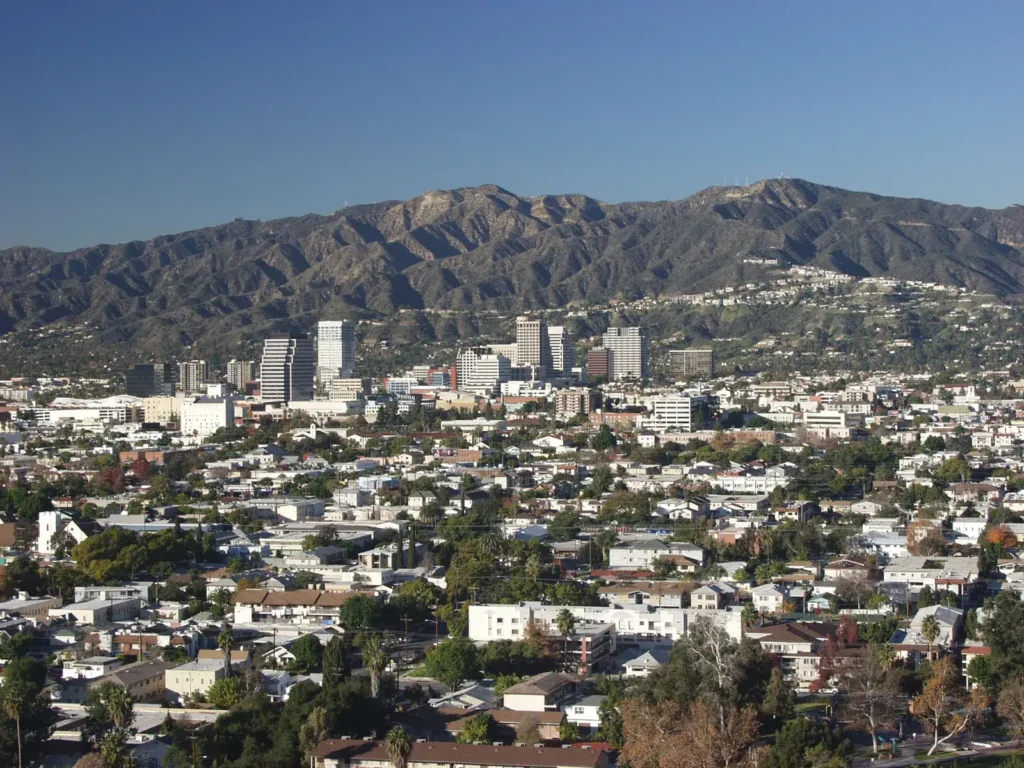
    Glendale, California, is one of Los Angeles County’s most desirable suburban cities, offering a unique blend of urban convenience and residential comfort. Located between downtown Los Angeles and the foothills of the San Gabriel Mountains, Glendale is known for its safe neighborhoods, excellent shopping, diverse population, and strong local economy. The city is home to major employers, beautiful parks, and highly rated public services, making it a popular destination for families, professionals, and retirees alike.

    While Glendale offers an exceptional quality of life, it also comes with some challenges. Housing prices remain high, traffic congestion is common during peak hours, and the cost of living is well above the national average. If you’re considering moving to Glendale, this guide covers the city’s strengths and weaknesses to help you decide whether it’s the right place to call home.

    City of Glendale

    Quick Facts

    • Population: 187,050
    • Median Household Income: $91,800
    • Median Home Value: $1,020,000
    • Median Gross Rent: $2,420/month
    • Cost of Living Index: 191 (U.S. average = 100)
    • Crime Rate: Approximately 2,570 per 100,000 residents (about 30% below the U.S. average)
    • Education Level: 46.8% bachelor’s degree or higher
    • Walk Score: 69/100 (Somewhat Walkable)

    These figures show that Glendale is a prosperous and well-established community with a strong economy, relatively low crime, and a high standard of living, although residents should be prepared for California’s elevated housing costs.

    5 Pros of Living in Glendale

    1. Safe and Well-Maintained Neighborhoods

    Glendale has earned a reputation as one of the safer cities in the Los Angeles metropolitan area. Many neighborhoods are clean, quiet, and well maintained, making the city especially attractive to families and retirees. Residents generally appreciate the city’s responsive public services and strong sense of community.

    2. Excellent Shopping and Dining

    Few suburban cities offer shopping options as impressive as Glendale. The Americana at Brand and Glendale Galleria attract visitors from across Southern California with hundreds of retail stores, restaurants, movie theaters, and entertainment venues. Whether you enjoy luxury brands, casual dining, or international cuisine, Glendale provides countless choices.

    3. Strong Local Economy

    Glendale benefits from a diverse economy supported by healthcare, finance, education, retail, entertainment, and technology. Major employers include Adventist Health Glendale, Glendale Memorial Hospital, Public Storage, Disney’s Grand Central Creative Campus, and numerous professional service companies. Many residents also commute to nearby Los Angeles, Burbank, or Pasadena for additional career opportunities.

    4. Convenient Location

    One of Glendale’s greatest advantages is its central location. Downtown Los Angeles, Burbank, Pasadena, Hollywood, and Griffith Park are all within a short drive. Several major freeways, including Interstate 5 and State Route 134, provide convenient access throughout Southern California.

    5. Beautiful Parks and Outdoor Recreation

    Despite being an urban city, Glendale offers plenty of green space. Residents enjoy hiking and walking in Brand Park, Deukmejian Wilderness Park, Verdugo Park, and nearby Griffith Park. The surrounding foothills provide beautiful scenery and outdoor activities throughout the year thanks to Southern California’s mild climate.

    Municipal services building, Glendale

    5 Cons of Living in Glendale

    1. Expensive Housing

    Like many desirable Southern California cities, Glendale has experienced significant home price growth. Buying a home requires a substantial income, and first-time buyers may find the market challenging. Even condominiums can be expensive compared to many other parts of the country.

    2. High Rent Prices

    Rental costs remain well above the national average. Modern apartments and desirable neighborhoods often command premium prices, making affordability difficult for students and younger professionals.

    3. Heavy Traffic

    Traffic congestion is a daily reality in Glendale. Rush-hour commutes on Interstate 5, State Route 134, and surrounding streets can significantly increase travel times. Residents who work outside the city should be prepared for frequent delays.

    4. High Cost of Living

    Housing is only part of the equation. Groceries, dining, utilities, healthcare, and other everyday expenses are generally higher than the U.S. average. Living comfortably in Glendale often requires a higher household income.

    5. Limited Nightlife

    Although Glendale has excellent restaurants and shopping, its nightlife is relatively quiet compared with nearby Los Angeles, Hollywood, or West Hollywood. Those looking for vibrant nightlife usually travel to neighboring cities for bars, live music, and late-night entertainment.

    Conclusion

    Glendale offers an excellent balance of safety, convenience, shopping, and suburban living while remaining close to many of Southern California’s most popular destinations. Its strong economy, attractive neighborhoods, and high-quality public services continue to make it one of the most desirable cities in Los Angeles County.

    However, the city’s high housing costs, expensive rentals, and heavy traffic mean it may not be the best fit for every budget. For those who can comfortably manage the cost of living, Glendale provides a welcoming community, outstanding amenities, and an exceptional quality of life that continues to attract new residents year after year.

  • Why Cypress, California Is One of Orange County’s Best Places to Live

    Overview

    Nestled in the heart of northwest Orange County, Cypress, California, is often overlooked by visitors searching for famous Southern California destinations. While cities like Anaheim, Huntington Beach, and Newport Beach attract millions of tourists each year, Cypress quietly offers something equally valuable: a peaceful, family-friendly community with excellent schools, beautiful parks, and convenient access to everything Southern California has to offer.

    With a population of just under 50,000 residents, Cypress provides the perfect balance between suburban comfort and urban convenience. It is close enough to Los Angeles, Long Beach, and major employment centers while maintaining a relaxed atmosphere that many larger cities have lost over the years.

    Whether you are considering relocating, raising a family, or simply exploring Orange County, Cypress deserves a closer look.

    Lexington Park, Cypress

    Quick Facts

    Population: 48,781 (2025 estimate)

    Median Household Income:$130,215

    Median Home Value:$913,900

    Median Gross Rent:$2,483/month

    Cost of Living Index:178 (U.S. average = 100)

    Crime Rate: 1,844 per 100k residents (18% below the U.S. average)

    Education Level:50.7% of adults (25+) hold a bachelor’s degree or higher

    Walk Score:43/100 (Car-Dependent)

    5 Pros of Living in Cypress

    1. Outstanding Public Schools

    One of Cypress’s strongest attractions is its highly regarded school system. Families frequently choose the city because of the quality of its public schools, many of which consistently receive high ratings. Parents appreciate the safe learning environment, experienced teachers, and strong academic programs.

    For families planning a long-term move, quality education often becomes the deciding factor, and Cypress continues to rank among Orange County’s most desirable communities in this regard.

    2. Safe and Peaceful Neighborhoods

    Unlike many larger cities in Southern California, Cypress has maintained a reputation for clean streets, well-maintained neighborhoods, and relatively low crime rates. Residents often describe the city as quiet, welcoming, and community-oriented.

    Tree-lined residential streets, neighborhood parks, and family activities contribute to an atmosphere that feels comfortable for people of all ages.

    3. Convenient Location

    Cypress sits in an ideal location for commuters and travelers. Major freeways including Interstate 605, State Route 91, and Interstate 5 are all easily accessible.

    This central location allows residents to reach Disneyland, Knott’s Berry Farm, Long Beach, Huntington Beach, and even downtown Los Angeles without excessive travel times. For those who work in different parts of Southern California, Cypress offers an excellent home base.

    4. Beautiful Parks and Outdoor Recreation

    Although Cypress is primarily a suburban city, it offers numerous green spaces for outdoor activities. Oak Knoll Park is one of the city’s most popular destinations, featuring walking paths, playgrounds, sports fields, and picnic areas.

    Residents enjoy jogging, cycling, youth sports, and community events throughout the year. These parks help create a healthy lifestyle while providing gathering places for families and neighbors.

    5. Strong Sense of Community

    One of the qualities that visitors notice quickly is the friendly atmosphere. Community festivals, holiday celebrations, farmers markets, and local events bring residents together throughout the year.

    Unlike larger metropolitan areas where neighbors may rarely interact, Cypress maintains a small-town feeling despite being located in one of the nation’s largest metropolitan regions.

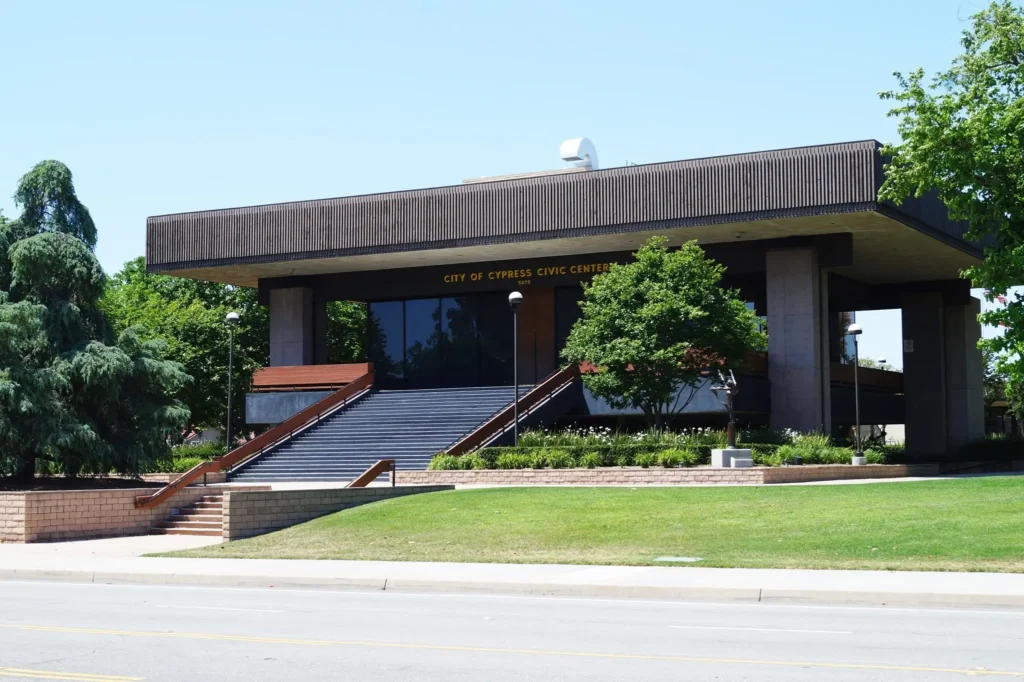
    Civic center, Cypress

    5 Cons of Living in Cypress

    1. High Housing Prices

    As with much of Orange County, purchasing a home in Cypress can be expensive. Strong schools and desirable neighborhoods have helped maintain property values, making home ownership challenging for some buyers.

    2. Limited Nightlife

    Those seeking vibrant nightlife, large entertainment districts, or major concert venues may find Cypress somewhat quiet. Residents typically travel to nearby Anaheim, Long Beach, or Los Angeles for evening entertainment.

    3. Traffic During Peak Hours

    Although the location is convenient, freeway congestion during morning and evening rush hours is common throughout Southern California. Commuters should expect delays on busy routes.

    4. Higher Cost of Living

    Housing, utilities, dining, and everyday expenses generally exceed the national average. Anyone relocating from another state should carefully consider the overall cost of living before making the move.

    5. Few Tourist Attractions

    Cypress itself is not a major tourist destination. Visitors looking for famous landmarks or world-class attractions will usually spend their time in neighboring cities. However, many residents actually appreciate the quieter environment this creates.


    Conclusion

    Cypress may not receive the same attention as many other Southern California cities, but that is part of its appeal. It offers excellent schools, safe neighborhoods, attractive parks, and an outstanding location that places residents within easy reach of beaches, entertainment, and employment centers.

    For families, professionals, and retirees seeking a peaceful community without sacrificing convenience, Cypress represents one of Orange County’s hidden gems. While the cost of living is higher than many parts of the country, many residents believe the city’s quality of life makes the investment worthwhile.

    If your goal is to experience Southern California beyond the crowded tourist destinations, Cypress is a city well worth discovering.

  • Living in Pasadena, CA: What to know before you move

    Overview

    Pasadena, California is one of the most distinctive cities in Los Angeles County. Located northeast of downtown Los Angeles at the base of the San Gabriel Mountains, Pasadena is known for its historic neighborhoods, cultural attractions, respected universities, beautiful architecture, and the world-famous Rose Parade and Rose Bowl.

    The city offers a rare combination of urban convenience and established residential neighborhoods. Families can enjoy parks, museums, restaurants, public transportation, and access to major employment centers throughout the Los Angeles area. However, Pasadena also has expensive housing, noticeable traffic, uneven school options, and a cost of living well above the national average.

    This guide explores whether Pasadena is a good place to live in 2026, using recent information on population, housing, income, education, transportation, and lifestyle.

    City Hall, Pasadena

    Quick Facts

    • Population: 135,804
    • Median Household Income: $105,192
    • Median Home Value: $1,093,300
    • Median Gross Rent: $2,265/month
    • Cost of Living Index: 197.7 (U.S. average = 100)
    • Crime Rate: 4,099 per 100,000 residents (about 3% below the U.S. average)
    • Education Level: 56.1% bachelor’s degree or higher
    • Walk Score: 69/100 (Somewhat Walkable)

    .

    5 Pros of Living in Pasadena

    1. Beautiful Historic Neighborhoods

    Pasadena is widely known for its attractive residential neighborhoods and historic architecture. Many streets feature mature trees, Craftsman homes, Spanish-style houses, and properties dating back to the early twentieth century.

    Neighborhoods such as Bungalow Heaven, Madison Heights, San Rafael Hills, and areas near Caltech offer distinctive character that is difficult to find in newer suburban communities. Pasadena feels more established and architecturally diverse than many master-planned Southern California cities.

    The city’s historic character is one of its strongest advantages for residents who value attractive streets, older homes, and a sense of local identity.

    2. Excellent Cultural and Educational Institutions

    Pasadena has an unusually strong collection of educational and cultural institutions for a city of its size. It is home to the California Institute of Technology, commonly known as Caltech, as well as Pasadena City College and several respected private schools.

    These institutions provide residents with access to art, science, education, theater, and family activities throughout the year.

    Pasadena City College also serves more than 30,000 students each semester, providing local access to affordable higher education and workforce training.

    3. Convenient Location and Public Transportation

    Pasadena provides relatively convenient access to downtown Los Angeles, Glendale, Burbank, the San Gabriel Valley, and other parts of Los Angeles County.

    The city is served by the Metro A Line, which connects Pasadena with downtown Los Angeles and communities farther east. Residents also have access to major roadways such as I-210 and I-110.

    This transportation network makes Pasadena attractive to professionals who work in different parts of the Los Angeles region.

    Pasadena is still a car-oriented city, but residents living near Old Pasadena, South Lake Avenue, or a Metro station may be able to complete some daily activities without driving.

    4. Strong Dining, Shopping, and Entertainment Options

    Pasadena offers far more dining and entertainment than many suburban communities.

    Old Pasadena is one of the city’s most popular districts, with restaurants, cafés, shops, movie theaters, and historic buildings. South Lake Avenue provides additional shopping and dining, while Colorado Boulevard serves as a major commercial corridor.

    The Rose Parade has been held since 1890 and remains one of Pasadena’s most recognizable traditions.

    5. Parks, Mountains, and Outdoor Recreation

    Pasadena offers easy access to parks, hiking trails, and the San Gabriel Mountains and many outdoor destinations.

    Residents can hike, walk, cycle, play sports, or enjoy mountain scenery without traveling far from home.

    The Rose Bowl Loop is particularly popular for walking, running, and cycling. Families can also visit Brookside Park and Kidspace Children’s Museum in the same area.

    Rose Bowl, Pasadena

    5 Cons of Living in Pasadena

    1. Very High Housing Costs

    Housing is one of the biggest disadvantages of living in Pasadena.

    The Census Bureau reports a median value of approximately $1.09 million for owner-occupied homes. Many detached houses in desirable neighborhoods sell for considerably more, especially restored historic homes or properties near Caltech, South Lake Avenue, or the San Rafael Hills.

    First-time buyers may find it difficult to purchase a home without a high household income or a substantial down payment. Condominiums can provide a lower-cost option, but prices and homeowners association fees may still be significant.

    2. Expensive Rent and General Living Costs

    The Census Bureau reports median gross rent of $2,265 per month, but newer apartments and larger units may cost considerably more.

    Pasadena can provide a high quality of life, but families need a realistic budget before moving.

    3. Public School Quality Varies

    Pasadena has many strong educational resources, but public school quality can vary by campus and neighborhood. Families should not assume that every address is assigned to the same type of school.

    Families with school-age children should verify attendance boundaries and review individual schools before choosing a home. School assignments and program availability can change, so current information should be confirmed directly with the district.

    Pasadena has many highly educated residents, with 56.1% of adults age 25 or older holding a bachelor’s degree or higher. However, the city’s education landscape is more complex than that of communities served by a single consistently high-rated suburban district.

    4. Traffic and Parking Can Be Frustrating

    Pasadena has good regional access, but traffic congestion remains a common problem.

    The 210 Freeway becomes heavily congested during commuting hours. Colorado Boulevard, Lake Avenue, and major streets near Old Pasadena can also become crowded.

    Although the Census Bureau reports an average commute of 26.9 minutes, actual travel time can vary greatly depending on destination and traffic conditions.

    5. Crime Levels Vary by Neighborhood

    Pasadena should not be described as uniformly unsafe or uniformly crime-free. Conditions vary depending on the neighborhood and the type of offense being considered.

    Property crime, vehicle break-ins, package theft, and theft from automobiles can be concerns in busy commercial areas and some residential neighborhoods. Families should review recent crime reports for the specific area where they are considering living.

    The Pasadena Police Department publishes monthly offense and arrest reports using the California Incident-Based Reporting System. Because this reporting system records different categories and details than older crime-reporting methods, simple comparisons with older citywide crime numbers can be misleading.

    Prospective residents should examine current police data, visit neighborhoods at different times of day, and speak with local residents before making a housing decision.

    Who Should Consider Living in Pasadena?

    Pasadena may be a good choice for:

    • Professionals working in Pasadena, downtown Los Angeles, Glendale, or Burbank
    • Families who value culture, parks, and established neighborhoods
    • University employees, researchers, and students
    • Buyers who appreciate historic architecture
    • Residents who want restaurants and entertainment nearby
    • People who want access to both the city and the mountains

    Pasadena is especially attractive to households that want more character and cultural activity than a typical suburb can provide.

    People prioritizing newer homes, lower prices, or a quieter suburban environment may prefer communities farther east or outside Los Angeles County.

    Conclusion: Is Pasadena a Good Place to Live?

    Pasadena is one of Southern California’s most interesting and desirable cities. It offers historic neighborhoods, impressive cultural institutions, beautiful architecture, mountain access, diverse dining, major events, and a convenient location near Los Angeles.

    The city works particularly well for professionals, educated households, families who enjoy cultural activities, and residents who value neighborhood character. Pasadena’s combination of history, science, art, and outdoor recreation gives it an identity that few Southern California cities can match.

    However, Pasadena is not affordable for many households. Home prices commonly exceed $1 million, rent is expensive, traffic can be difficult, and public school quality varies by location.

    For households that can comfortably manage the housing costs and carefully select the right neighborhood, Pasadena can provide an excellent quality of life. For buyers and renters whose first priority is affordability, the city may be financially challenging.

  • Moving to Irvine, CA: What Families Should Know

    Overview

    Irvine, California is one of the most desirable master-planned cities in the United States. Known for its exceptional safety, top-tier schools, strong economy, and high quality of life, Irvine consistently ranks among the best places to live in California. However, the city also comes with extremely high housing costs, a competitive job market, and a cost of living far above the national average. This comprehensive guide explores whether Irvine is a good place to live using verified data on housing, income, crime, and lifestyle.

    Irvine Civic Center

    Quick Facts

    • Population: 316,000+
    • Median Household Income: $123,000–$130,000
    • Median Home Value: $1,307,000
    • Median Rent: $3,500–$4,000/month
    • Crime Rate: 652 per 100k (one of the lowest in the U.S.)
    • Cost of Living Index: 187 (U.S. average = 100)
    • Education Level: 68% bachelor’s degree or higher
    • Unemployment Rate: 3.4%

    These numbers show Irvine is a wealthy, highly educated, extremely safe, and very expensive city with a strong economy and exceptional public services.

    5 Pros of Living in Irvine

    1. One of the Safest Cities in America

    Irvine consistently ranks as one of the safest cities in the United States for its size. With a crime rate of 652 per 100k residents, Irvine’s violent crime levels are dramatically lower than both the California and national averages. This makes Irvine ideal for families, students, and retirees seeking a secure environment.

    2. Exceptional Schools and Education Quality

    Irvine Unified School District (IUSD) is one of the top-performing districts in California. Schools like University High School, Northwood High School, and Woodbridge High School consistently receive high ratings for academic excellence, college readiness, and teacher quality. Additionally, Irvine is home to UC Irvine (UCI), a world-class research university that boosts the city’s innovation and job market.

    3. Strong Economy and Job Opportunities

    Irvine’s median household income of $123,000–$130,000 reflects a robust local economy. The city is a major hub for:

    • Technology
    • Biotech
    • Healthcare
    • Education
    • Finance
    • Engineering

    Companies like Blizzard Entertainment, Rivian, Edwards Lifesciences and numerous tech startups contribute to a thriving job market.

    4. Clean, Master-Planned Neighborhoods

    Irvine is famous for its master-planned communities, each designed with parks, bike paths, shopping centers, and schools integrated into the neighborhood. Areas like Woodbury, Northwood, Orchard Hills, and Great Park offer modern homes, clean streets, and excellent amenities.

    5. Beautiful Parks and Outdoor Lifestyle

    Irvine has more than 20,000 acres of parks and open space, including:

    • Great Park
    • Bommer Canyon
    • Jeffrey Open Space Trail
    • Mason Regional Park

    Residents enjoy hiking, biking, sports facilities, and year-round outdoor activities thanks to Irvine’s mild Mediterranean climate.

    Peaceful Neighborhood, Irvine

    5 Cons of Living in Irvine

    1. Extremely High Housing Costs

    Irvine’s median home value of $1.3 million makes it one of the most expensive cities in California. Even condos often exceed $700,000, and single-family homes regularly surpass $1.5 million. This creates a major barrier for first-time buyers and middle-income families.

    2. Very High Rent Prices

    Median rent ranges from $3,500 to $4,000 per month, depending on the neighborhood. Luxury apartments in areas like Spectrum or Great Park can exceed $4,500/month. Renters must be prepared for significant monthly expenses.

    3. High Cost of Living

    With a cost-of-living index of 187, Irvine is nearly double the national average. Groceries, utilities, transportation, and healthcare are all more expensive than in most U.S. cities.

    4. Competitive Job Market

    Although Irvine has strong employment opportunities, competition is high due to:

    • Highly educated residents
    • Large student population
    • Tech and biotech professionals moving in

    Landing a high-paying job often requires advanced degrees or specialized skills.

    5. Limited Nightlife

    Irvine is clean, safe, and family-friendly—but not known for nightlife. Most bars, clubs, and entertainment venues are located in nearby cities like Costa Mesa, Newport Beach, or Anaheim. Young adults seeking a lively nightlife may find Irvine too quiet.

    Conclusion: Is Irvine a Good Place to Live?

    Irvine is one of the best places to live in California for families, students, and professionals seeking safety, education, and high-quality suburban living. Its master-planned neighborhoods, top-tier schools, strong economy, and clean environment make it an exceptional city.

    However, Irvine’s extremely high housing costs, expensive rent, and high cost of living mean it is best suited for higher-income households. If affordability is your top priority, Irvine may be challenging. But if you value safety, education, and a well-organized community, Irvine is an outstanding choice.